
NexTech Hawaii 2025 Program Report
2025 at NexTech Hawaiʻi
Hawaiʻi Island youth designed real solutions to a real island problem. Here's what they built.
Hawaiʻi imports 85 to 90 percent of its food. In 2025, forty-nine Hawaiʻi Island students in grades 5 through 8 spent twelve weeks working on what to do about that.
They built apps to track backyard chicken flocks. They turned junked refrigerators into garden beds for Kaʻū families. They raised four Kunekune piglets on neighborhood food scraps. The teams came from North Kona to Hāmākua, from public schools and homeschools, with boys and girls equally represented. Eighteen teams. Thirteen schools. The largest cohort in FishTank's five-year history, a 163 percent jump over 2024.
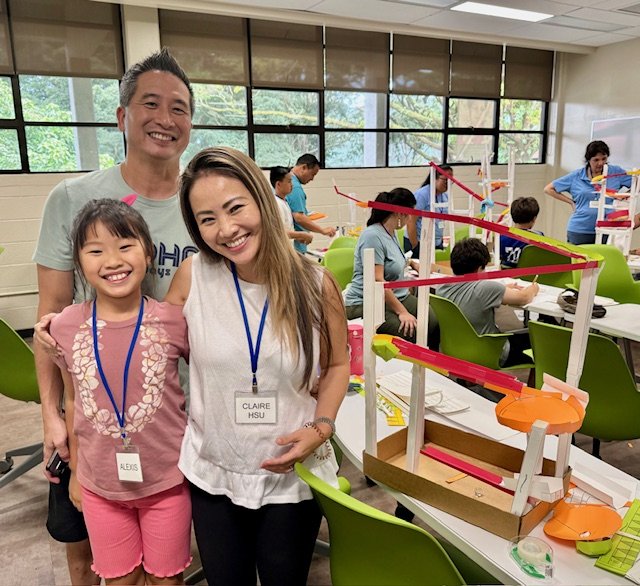
That was one piece of a year that also reached 1,030 families at Science Nights, 114 households through the 3D Printer Program, and hundreds more through STEM days, drone outreach, and community events. NexTech Hawaiʻi ran every program tuition-free. That model exists for a reason: the students who need these experiences most cannot afford to pay for them.
FishTank 2025: Food Security
FishTank is NexTech's annual sustainability design competition for grades 5 through 8. Students pick a real Hawaiʻi Island problem, work in teams for twelve weeks with adult coordinators and subject-matter experts, and pitch their solutions on stage at UH Hilo to a panel of judges and a live audience. The format is modeled on Shark Tank. The students treat it like the real thing.
The 2025 theme was food security, a problem every family on this island already understands. NexTech asked students to imagine what they could build, grow, code, or organize to change Hawaiʻi's food math.
On April 12, five finalist teams pitched at UH Hilo's Sciences and Technology Building to an audience of more than 100. A new addition this year: a Farm Share table with fresh local produce donated by Hawaiʻi Island Gourmet, KTA Superstores, Keiki Cukes, Go Farm Hawaiʻi ʻAlae Site, and the FishTank teams themselves.
First place went to Thinker Trio, three 8th graders at Waiakea Intermediate. Jaxon Shimazu, Rylee Honda, and Phat Lee built EZ Eggs, an AI-powered app to help backyard chicken farmers track flock health, finances, and production. Jaxon also placed third for Best Engineering Notebook.
Second place: Food Machine, by brothers Israel and Micah Roberts of Laupahoehoe Community Public Charter School. Their DIY hydroponics system was designed for families with little space, little water, or both. The judges named it Best Idea.
Third place: the Cool Greenery Girls, with members from Laupahoehoe and two homeschool programs. Luka Doherty, Addyson Jensen, and Stella LeDoux built Cooler Crops, a nonprofit concept that turns junked refrigerators into garden beds for Kaʻū families. Kaʻū has the highest poverty and food insecurity rates on the island. The team also won Most Inspirational Overall, and Addyson took first place for Best Engineering Notebook.
Honorable mention went to Produce Pigz, siblings Jack and Sophie Loewen and Justus and Jude Stickley, who raised four Kunekune piglets on community-collected food scraps and learned animal husbandry, food-scrap logistics, and the regulatory side of selling locally raised meat. Team Holu also received honorable mention along with Best Teamwork and People's Choice for an Educate-Grow-Share initiative built around student-made tutorials, workshops, and media to put an eco-friendly garden in every Hawaiʻi Island home. Haliʻa Matsuwaki of Team Holu took second place for Best Engineering Notebook.
Other teams in FishTank 2025 finished real work too: an app connecting Big Island farmers directly with consumers (Fishineers), a Seed Book for home gardeners (KoolKidz), a Crop Prop Kit drip-irrigation system built around lessons from the COVID-19 supply chain shocks (Produce Protectors), scaled aquaponics designs (Solution Squad), a Feeding Our Own Destiny educational event built around traditional Hawaiian food production (Team Geen), and an accessible website to help older food suppliers buy and sell locally (Team Kinai). Twelve weeks. Eighteen teams. Real solutions.
“Please know how important your work is, not just for this competition but for the future of Hawaiʻi Island and the world. We need more local problem-solvers and young minds who want to think boldly and work collaboratively.”
Mayor Kimo Alameda, County of Hawaiʻi
Beyond FishTank
NexTech ran drone programming at six community events across East Hawaiʻi in 2025. Most were Hawaiʻi Science and Technology Museum (HSTM) Science Nights at Kaumana, Keaʻau, EB de Silva, Waiakea, and Waiakeawaena elementary schools. Combined attendance: 1,030. Eighteen high school student mentors from the Waiakea High School Engineering Club contributed 81 volunteer hours teaching younger kids to fly. The mentors got leadership experience and a resume line. The kids got their first time at the controls.
The 3D Printer Program is one of NexTech's quieter wins. NexTech loans a printer to a Hawaiʻi Island family for six weeks. A mentor walks the family through CAD basics. The student designs, prints, and finishes a project. The whole household learns alongside them. Six rounds in the 2024-25 school year. Fifty-seven students. One hundred fourteen total participants once family members are counted. Most students had never used CAD before they started. Most walked away with a portfolio piece for a high school application or science fair.
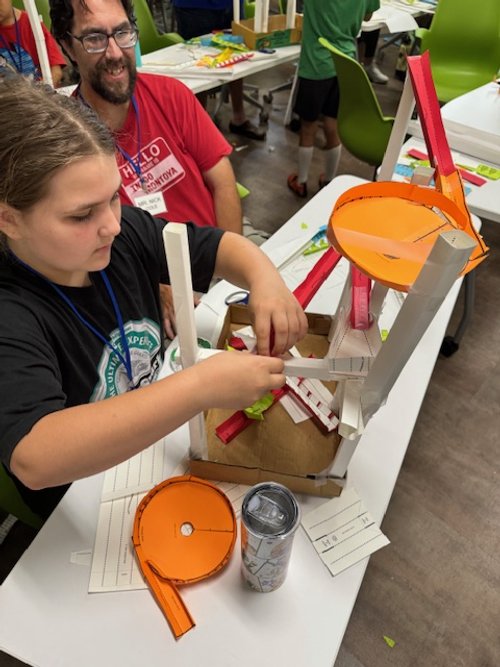
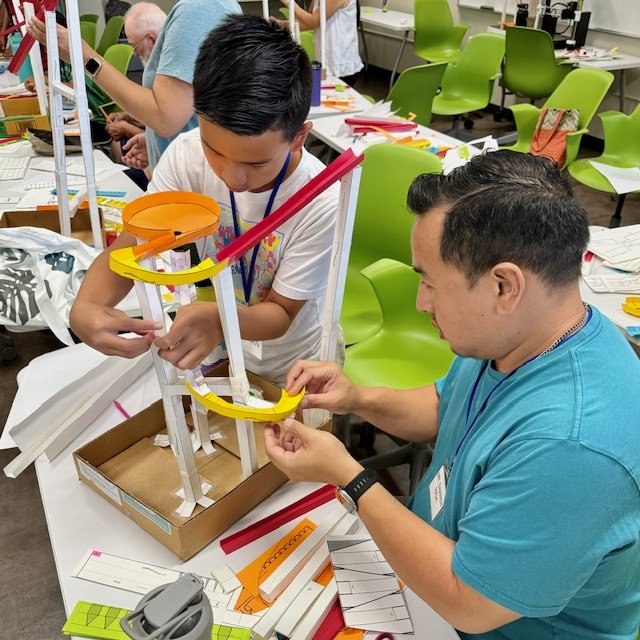
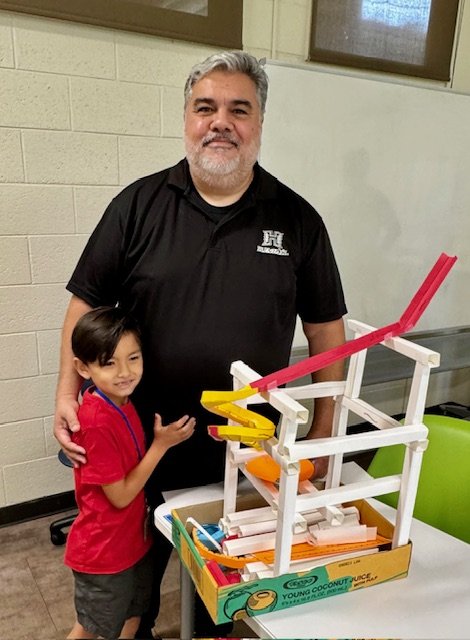
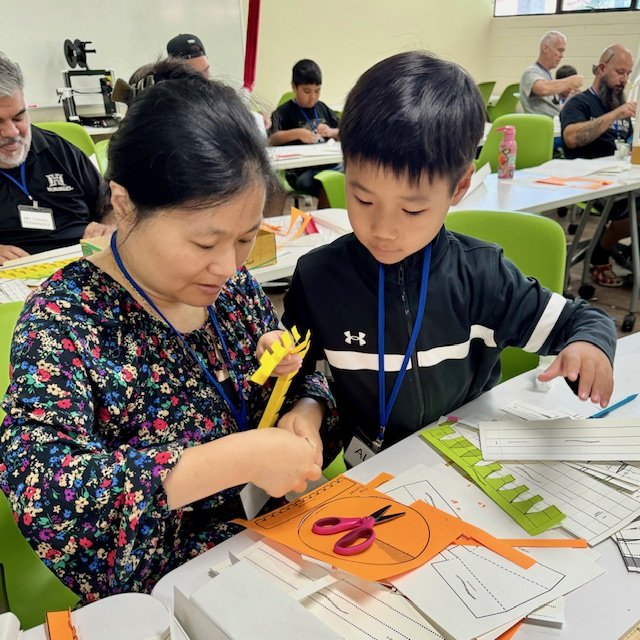
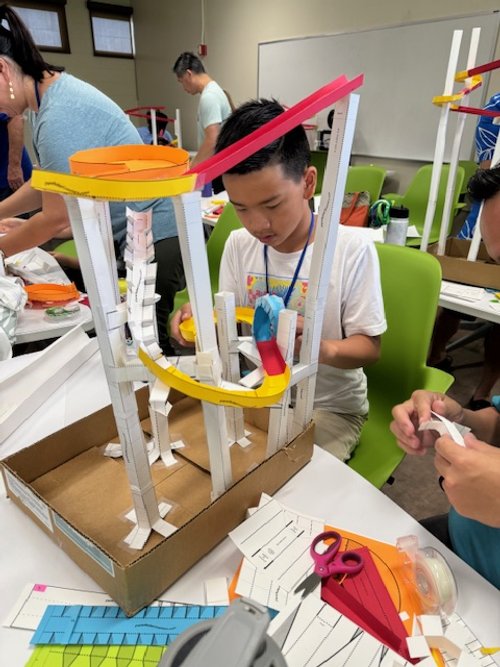
For grades 3 through 5, NexTech ran two STEM Exploration Days. The first, with the Hawaiʻi Community College Agriculture Program at Panaʻewa, taught families plant science through hydroponics, fertilizer chemistry, and the Kratky Method, a low-cost non-circulating hydroponic system anyone can run at home. The second, with Dr. Emi Leung of Keiki Labs, ran chemistry through candy making and ended with families launching their own bottle rockets. A third grader who launches a rocket with her dad in 2025 is the kind of student who signs up for FishTank in 2028.
What's Next: 2026 Programs
NexTech is moving FishTank from competition to classroom. The competition format will not run in 2026. Instead, NexTech is building a FishTank Classroom Curriculum designed to reach hundreds of students in their schools rather than dozens through a competition. The curriculum will be designed and tested in 2026 and piloted in 2027.
Other 2026 programs are open or opening to enrollment:
• STEM Exploration Days for grades 3 through 5, spring and summer.
• Drone outreach at Hilo Intermediate, Keonepoko, Naʻalehu, and Kaʻū schools.
• 3D Printer Program for the 2026-27 school year (grades 6 through 12).
• Middle School STEM Camp during fall break in October.
• Nā ʻAlalā: Youth Innovation and Conservation Project, with ʻĀwili and the Keauhou Bird Conservation Center.
If you're a parent, guardian, teacher, or student who wants to be part of any of these programs, the place to start is nextechhawaii.org. Sign up there or email admin@nextechhawaii.org.
NexTech's programs are tuition-free by design. They're also limited by what volunteers, mentors, and partners can deliver. If you're a Hawaiʻi Island professional in agriculture, engineering, technology, education, or a related field, NexTech needs subject-matter experts, judges, pitch coaches, and program mentors. The same email reaches the volunteer coordinator.
Hawaiʻi Island's next generation of scientists, engineers, farmers, and inventors is already here. The students named here did the work. The students not named did just as much. The programs continue in 2026, and the door is open.